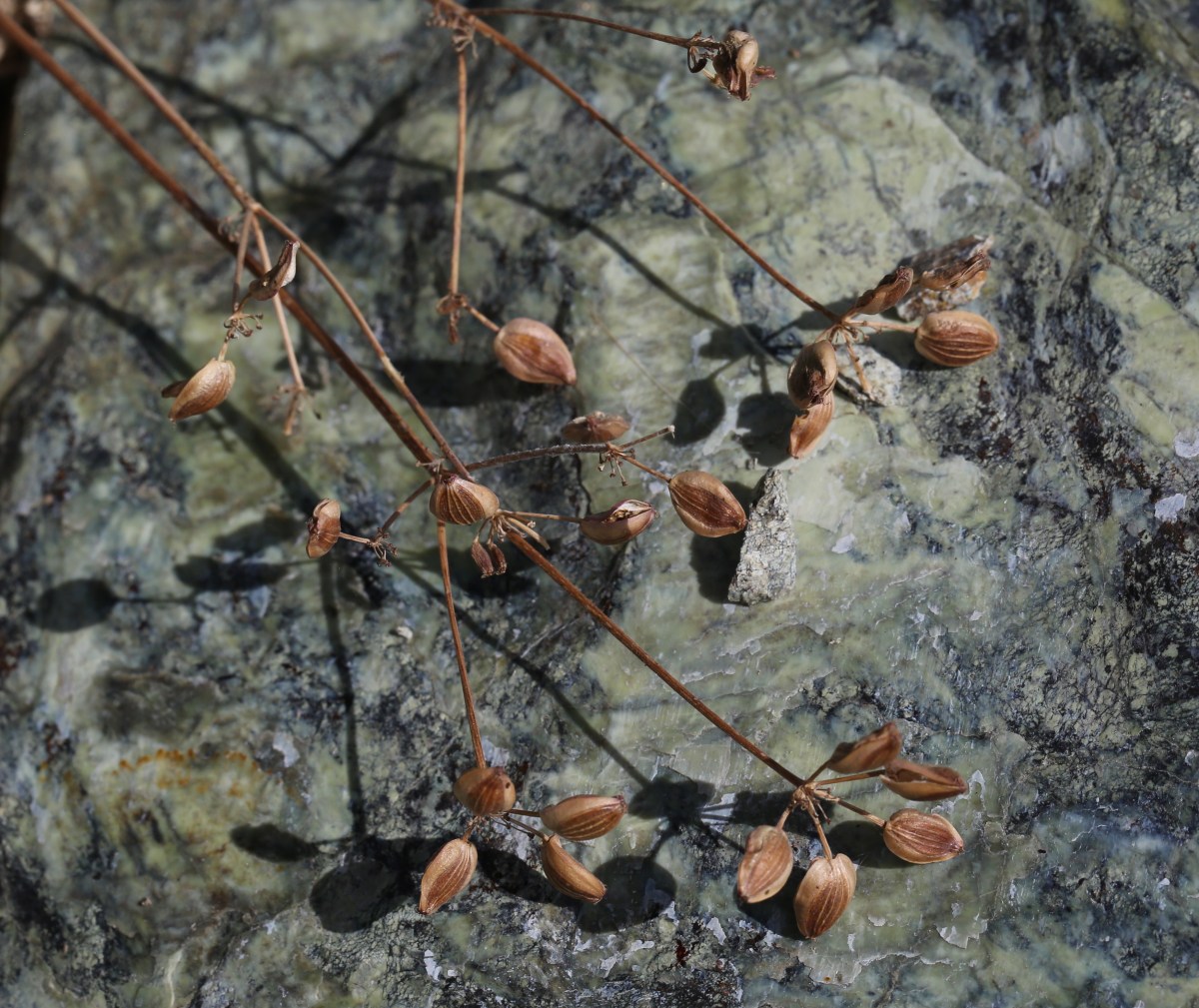
Description.
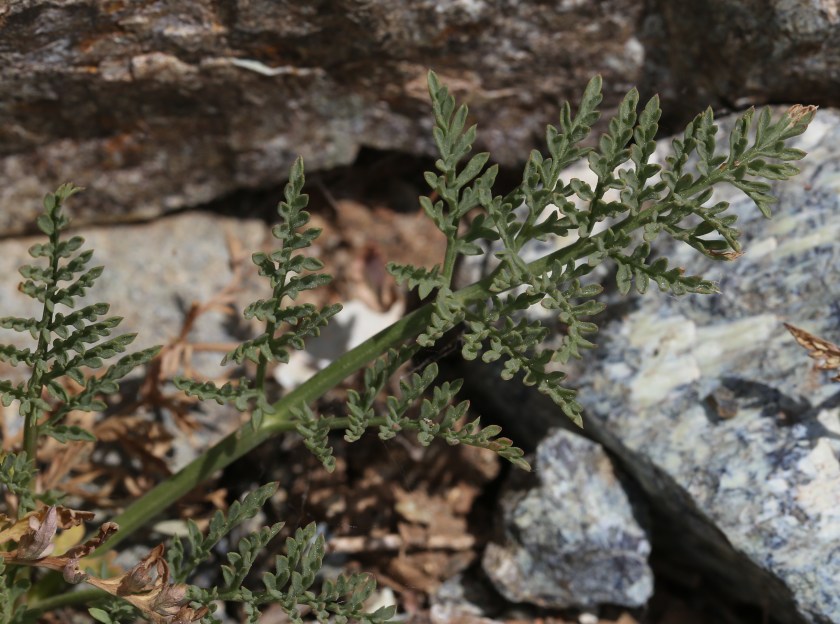

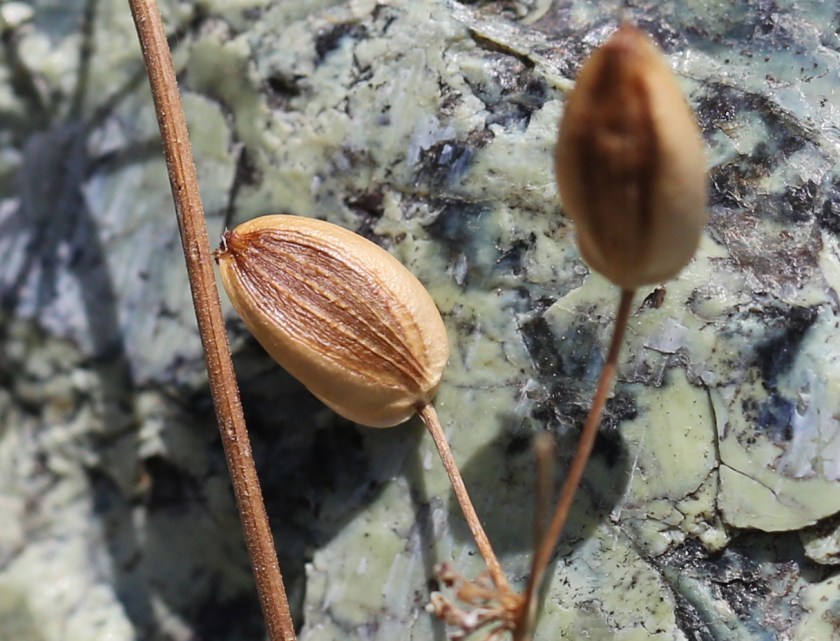
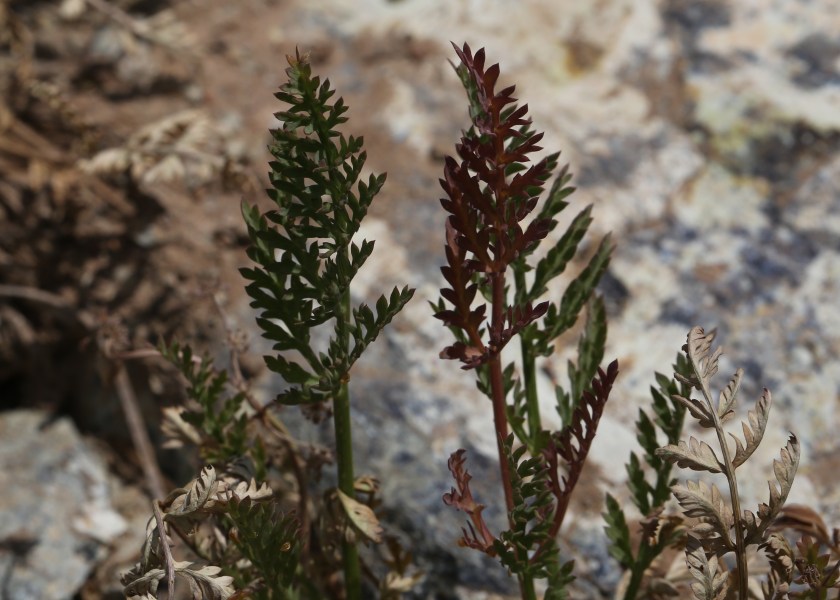
Description.
Description.



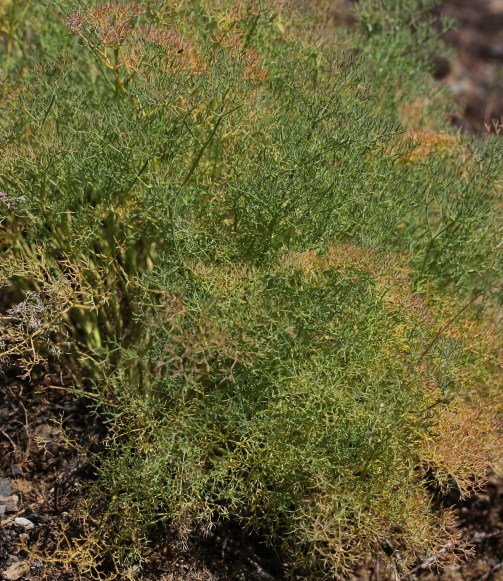
Description.


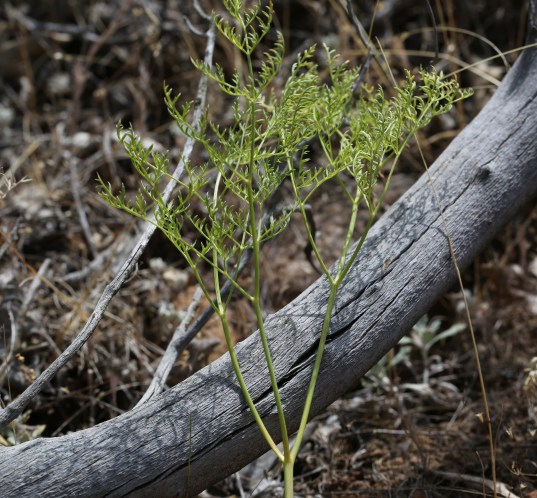
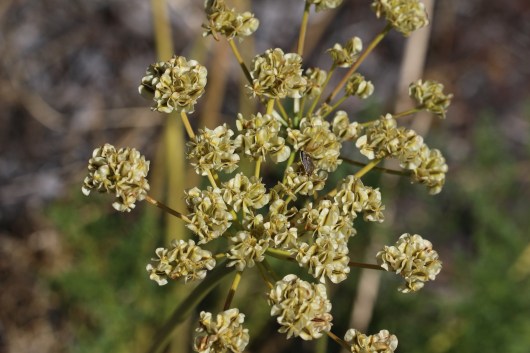
Description.
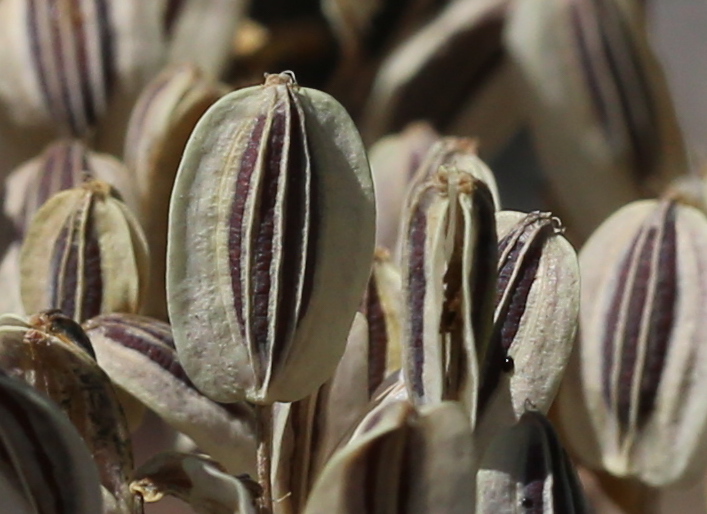
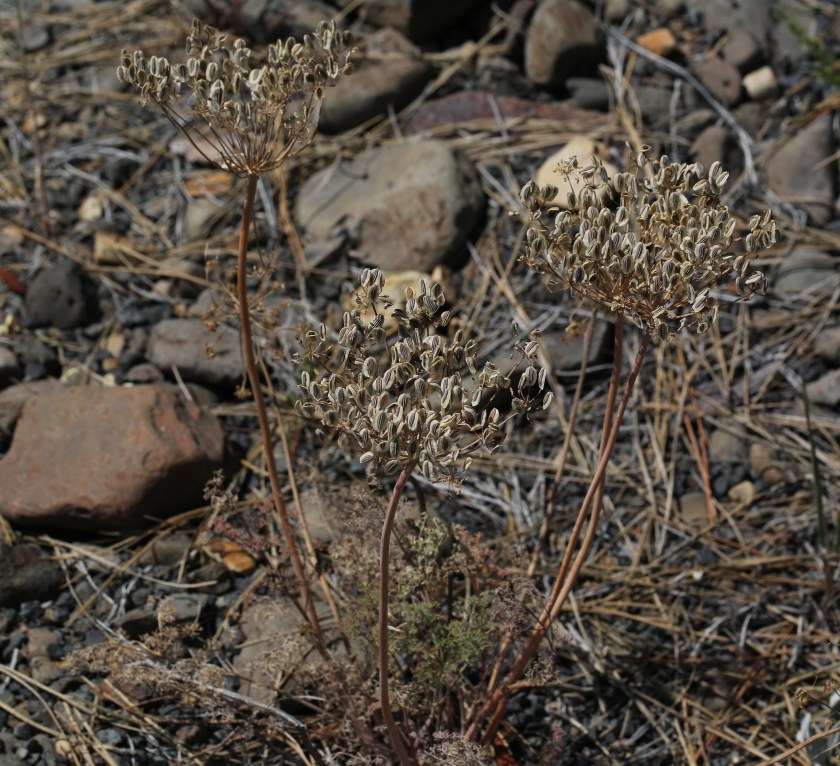
Description.


Description
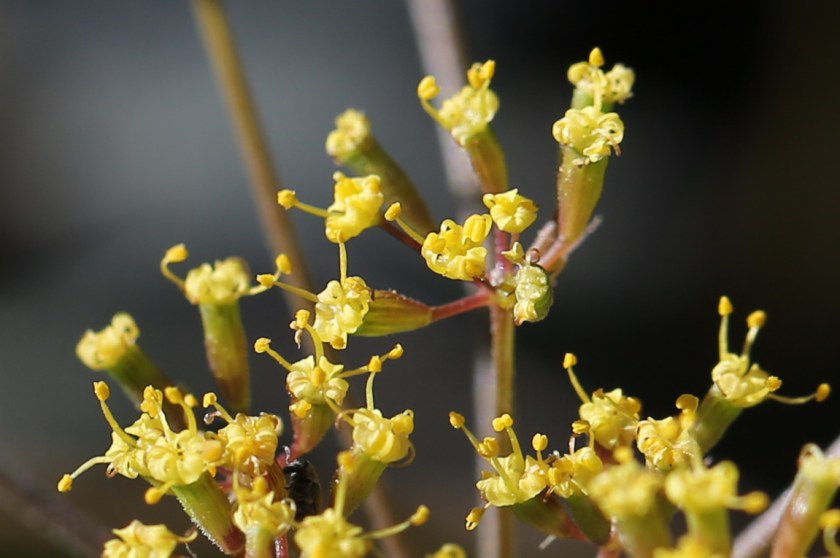

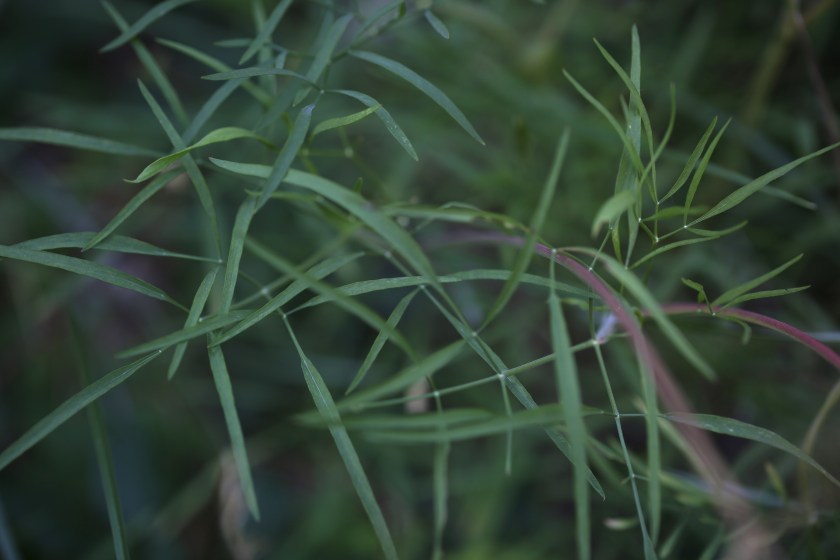

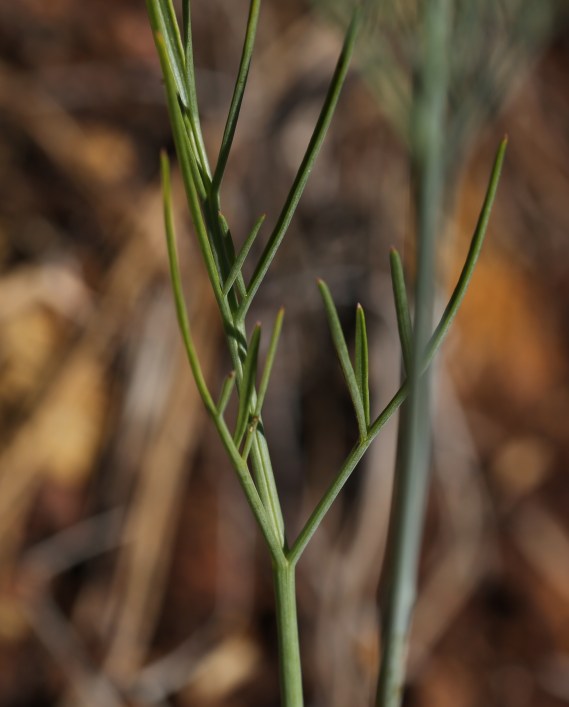


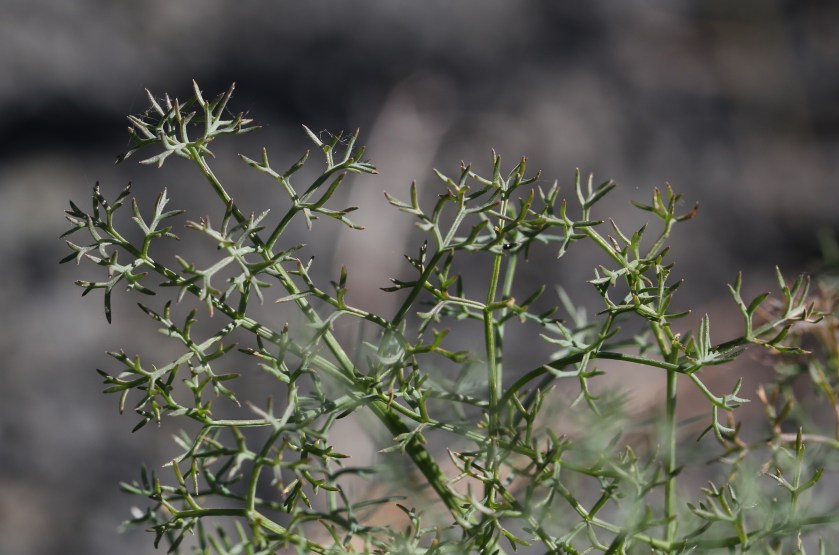
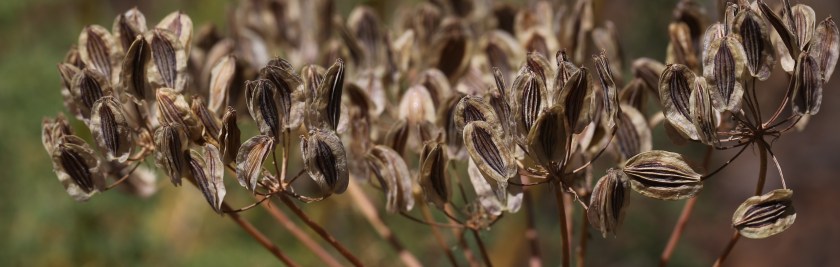
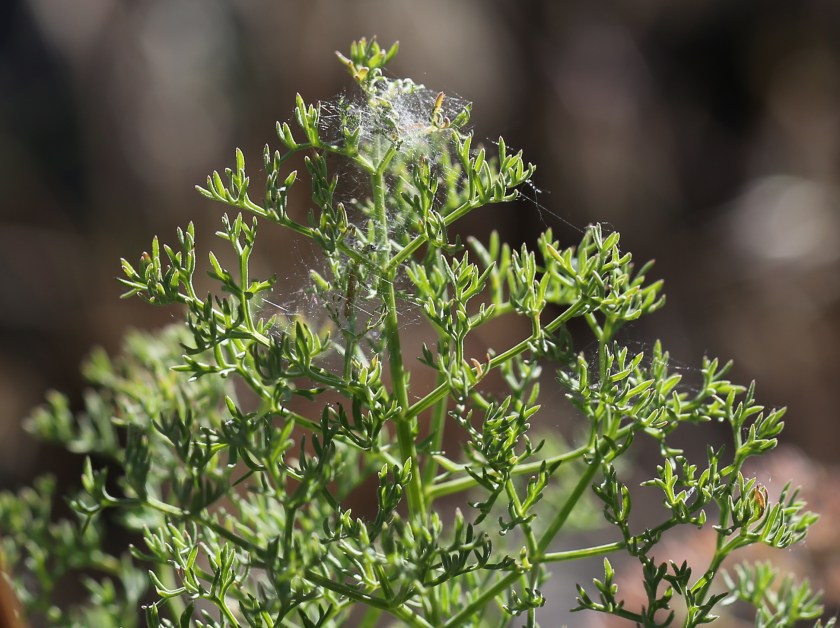
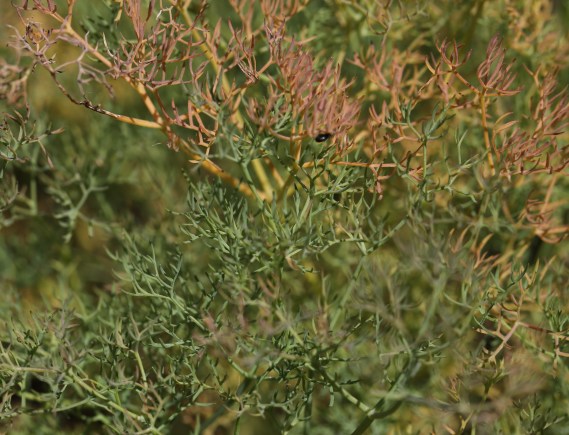
Description. It is a very recently (2014) described species: «Lomatium tarantuloides Darrach & Hinchliff, sp. nov., is a narrow endemic of conservation concern growing primarily in shallow, gravelly, serpentine-derived soils in a small area of the Malheur, Umatilla, and Wallowa-Whitman National Forests in Grant County of northeastern Oregon. The species is distinguished from other members of the genus by leaf morphology, prostrate inflorescences and infructescences, fruit shape, and pedicel length. The presently recognized populations are primarily confined to small patches within a several km2 area in the higher elevations of the Greenhorn Mountains in the Blue Mountain physiographic province. Populations are of densely clustered plants in sites often characterized by persistent rodent-perpetuated disturbance where the new species tends to display the highest biomass of any single vascular plant species present.»
The full botanical, and very precise, description of this new recognized species may be found in the monography published by Mark Darrach and Cody Hinchliff.
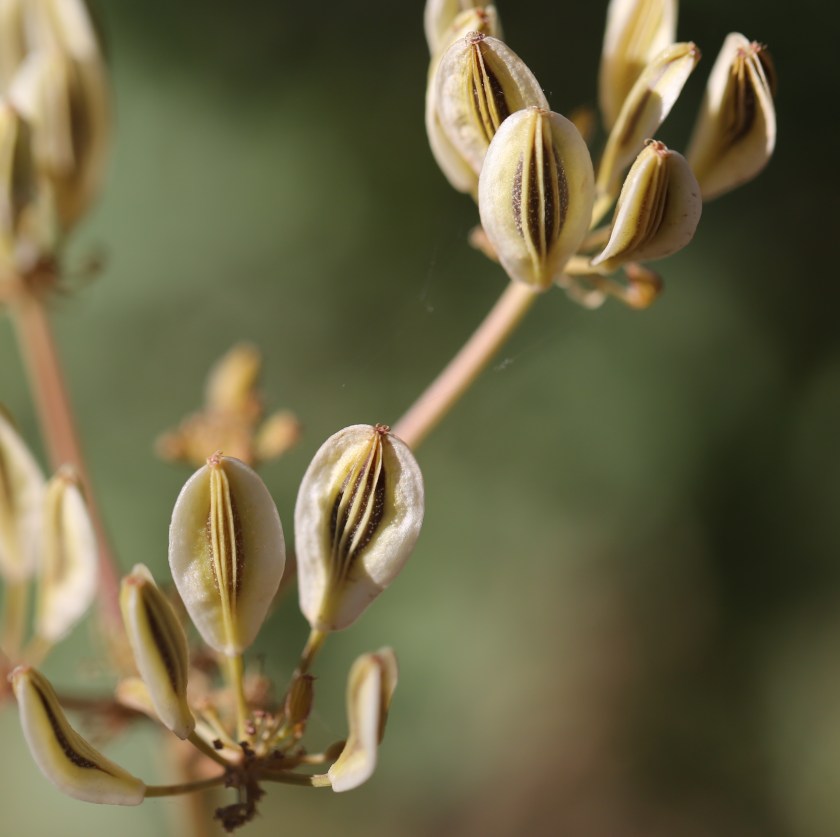
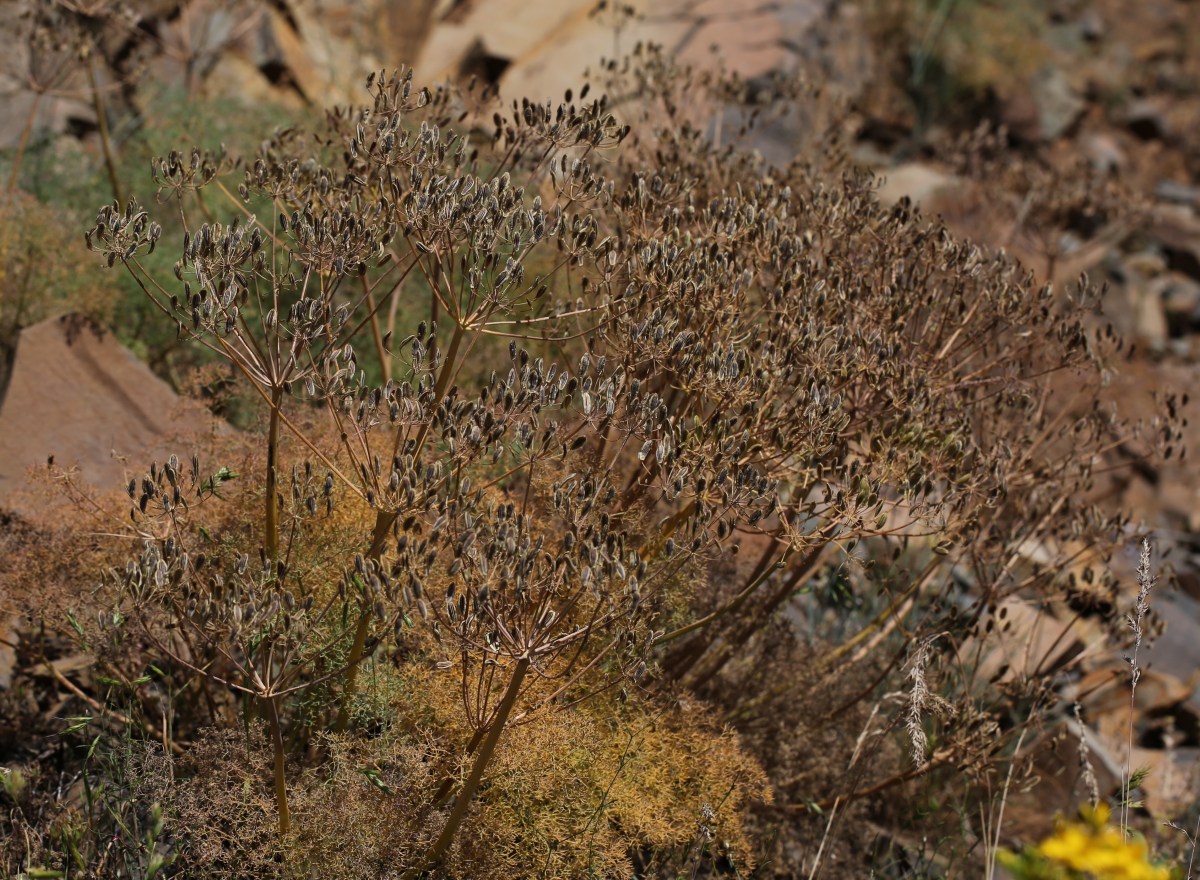
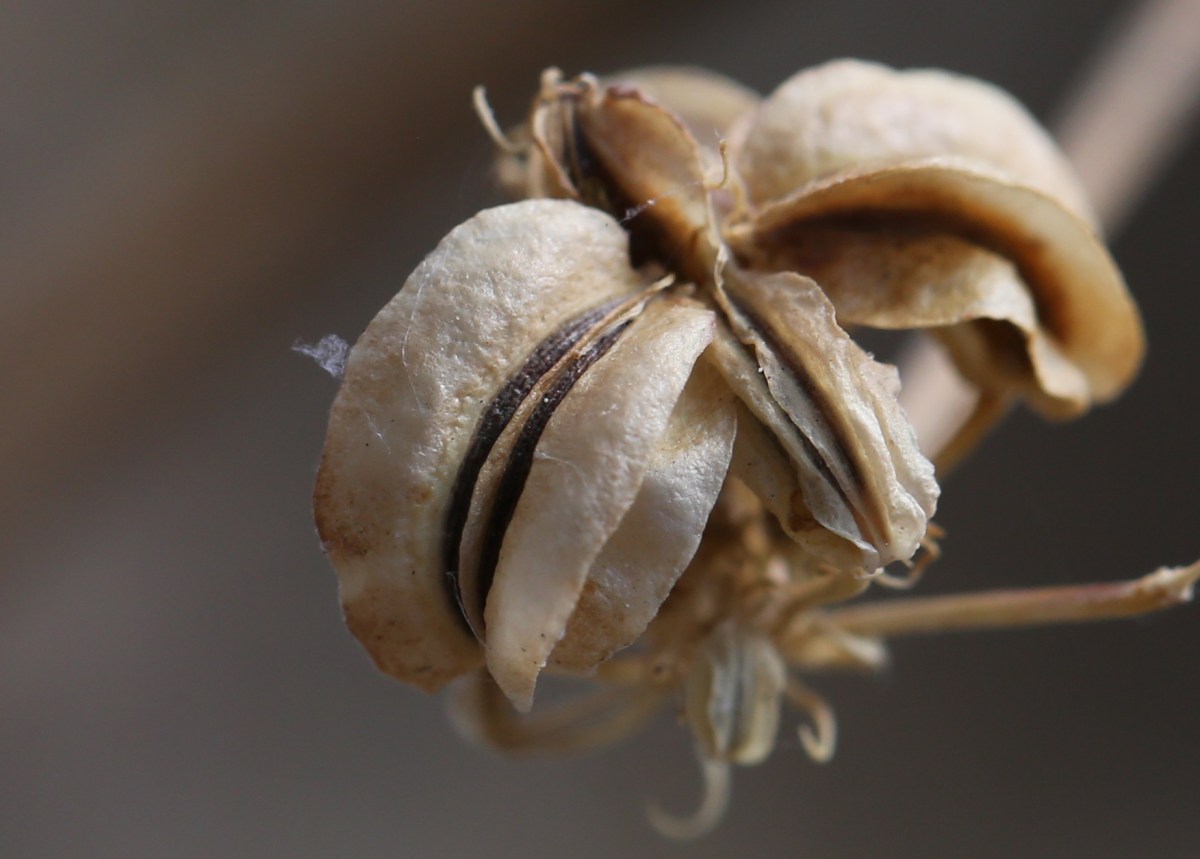
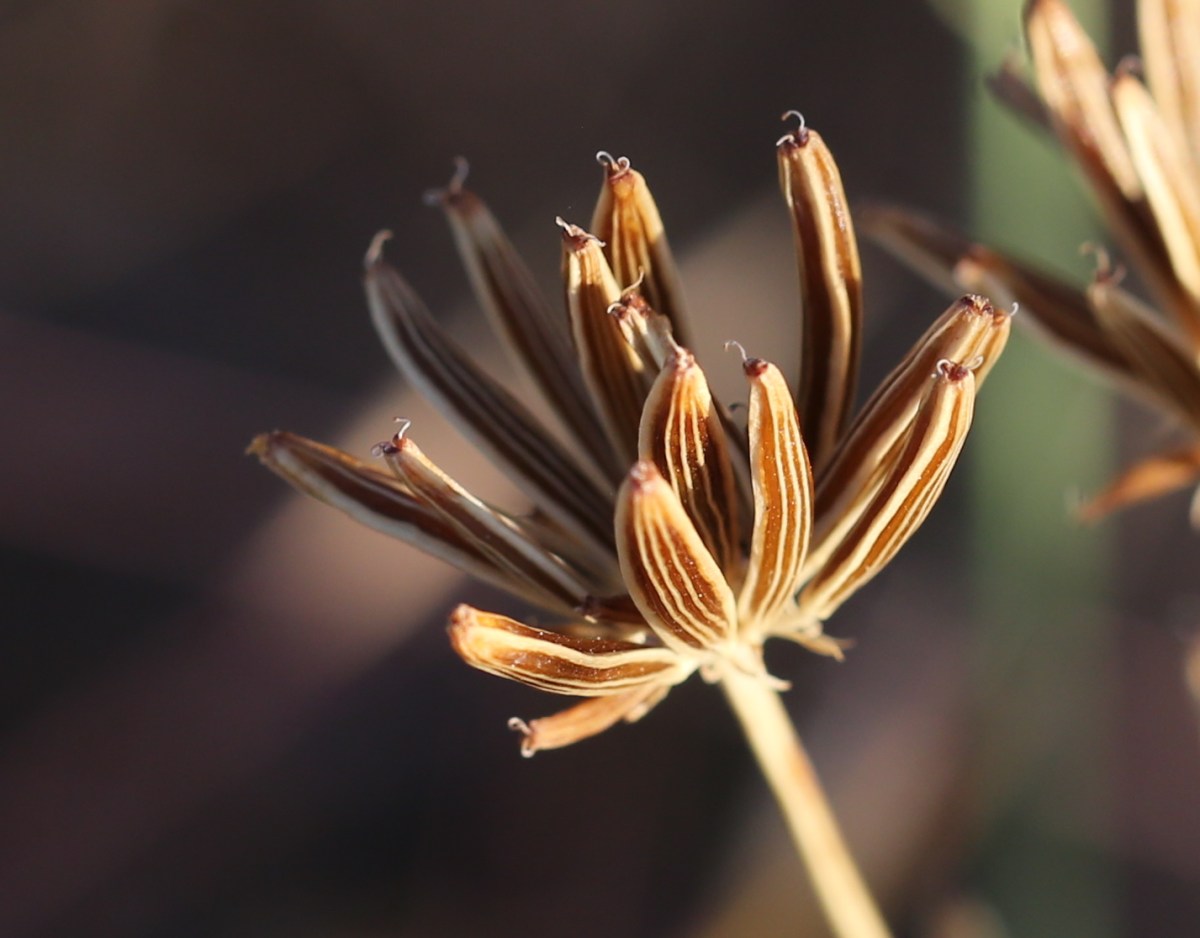
The pictures of Lomatium tarantuloides were taken on July 5th 2017, on Trout Meadows – NF 52 ; Grant Co, Oregon ; 44°56’42” N / 118°26’21” W; Elevation: 1654 meters. Interestingly, the buds of Calochortus bruneaunis were not yet open at that place while the same species was in full flower 35 kms further west, on the same road, and at the same elevation and in an environment of Lomatium canbyi, Lomatium ambiguum, Lomatium nudicaule and Lomatium bicolor var. leptocarpum.
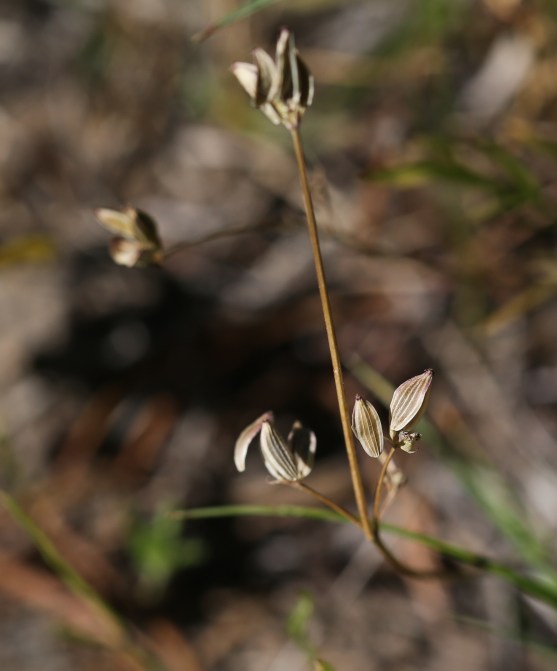


Ethnobotany. A food for the Paiute Peoples. The peeled roots were eaten raw or pit cooked and boiled or dried for future use. According to Kelly, Isabel T. in “Ethnography of the Surprise Valley Paiute” (1932).
Description. The plants of that species of tuberous lomatium are acaulescent and 15 to 60 cm high at maturity. Simple or branched stems (one or several) arise from roots, of brown color, which are elongate and slender or which are tuberous above and elongate below – the tuberous portion being globose to ovoid, up to 3,5 cm long and 2,5 cm wide. The leaves are ternately and pinnately divided and dissected – the ultimate leaf segments being 0,3 to 6 mm long and 0,2 to 1 mm wide with mucronulate apices. The leaf blades are 9 to 14 cm long, glabrous to scaberulous and their general outline is broadly obovate. The green to purplish tinged petioles are wholly sheathing and from 2 to 7 cm long. The inflorescence is an umbel consisting of 4 to 20 rays which are 2 to 13 cm long. The narrowly elliptic bracts (2 to 10) are 2 to 10 mm long and 0,2 to 1 mm wide with acute apices. Each umbellet consists of 10 to 20 flowers which are all yellow: petals, anthers and smooth stylopodia. The ovaries are glabrous. The oblong-linear to narrowed elliptic fruits are 9-17 mm long and 1,5-5 mm wide and possess 2 to 6 oil canals in the intervals and 2 oil canals in the commissures. Their pedicels are 1-3 mm long at maturity. Their lateral wings are 0,2 to 0,5 mm wide.
Phenology. The flowering period is from late April through June and the maturing of the fruits range from early-May to mid-September.
Territories. Blue Mountains of southeastern Washington; much of eastern Oregon to the east of the Cascade Mountains; north-eastern California to central and southern Idaho and northern Nevada ; disjunct to Carbon County in Wyoming, to Gunnison, Rio Blanco, and Routt counties in Colorado, and to the Grand Canyon in northern Arizona. Lomatium bicolor is composed of two varieties Lomatium bicolor var. leptocarpum and Lomatium bicolor var. bicolor – leptocarpum describing a variety with narrower fruits borne on shorter pedicels, more slender roots and fewer linear leaf segments. In Idaho, some populations of Lomatium bicolor are problematic because their morphological features seem to partake of both varieties.

Ethnobotany. A food for the Klamath, Paiute, Okanagan-Colville, Nez-Percés, Chinookan, Salish and Modoc Peoples. The peeled roots were eaten raw or pit cooked and boiled or dried for future use. According to Coville, Frederick V. in “Notes On The Plants Used By The Klamath Indians Of Oregon” (1897); to Turner, Nancy J., R. Bouchard and Dorothy I.D. Kennedy in “Ethnobotany of the Okanagan-Colville Indians of British Columbia and Washington, Victoria” (1980); to Mahar, James Michael in “Ethnobotany of the Oregon Paiutes of the Warm Springs Indian Reservation” (1953); and to Kelly, Isabel T. in “Ethnography of the Surprise Valley Paiute” (1932).
David French and Eugene Hunn in their monography “Lomatium: a key resource for the Columbia Plateau Native Subsistence” (1981) explained that Lomatium canbyi was one the main 10 species of eaten Lomatium providing 30 % of the root food resources of the Native Peoples of Sahaptin languages in the north-west of the USA. In 1981, only 29 species of Lomatium were botanically described, for the Sahaptin spoken range, but most of them were known (if not named) by these Native Peoples – well the survivors as some of the Native Peoples of Sahaptin languages are extinct. Lomatium canbyi was named in Sahaptin “sikáywa”, “sikáwiya”, “lamuš”, “lúukš” and “škúlkul”. The roots of Lomatium canbyi weigh in average 11 grams and one kilogram of fresh roots provide 1080 kcal. David French and Eugene Hunn calculated that a woman would need 400 hours of work to gather all the roots of Lomatium canbyi necessary for one year to sustain her family.
Eugene Hunn and James Selam in their beautifuk book “Nch’i-wána, “the big river”: Mid-Columbia Indians and their land” write: «The third instance in which Sahaptin-speaking Indians surpass the professional botanist in discriminating Lomatiums remains something of a mystery. The species “split” in this case is Lomatium canbyi known as a key food source by Indians from northeastern California to southern British Columbia… Canby’s Lomatium is known by many Indian names having gained recognition in at least six Indian languages but northeast Sahaptin speakers are unique in dividing Canby’s Lomatium into two distinct folk species, “škúlkul” and “lamuš”. The first is described as the larger, its foliage more-fern like, its tuber distinctively shaped. Most important, the oil content of the “škúlkul” root is high, making sun-drying difficult. For this reason, “škúlkul” must be baked underground after the fashion of camas. “Lamuš”, smaller and less oily, is dried whole by stringing on a cord of Indian Hemp….»
Description. The plants of that species of tuberous lomatium are acaulescent and 7 to 25 cm high at maturity. Glabrous leafless scapes, ascending or suberect, arise from roots, of black color, which are globose with a base up to 4 cm in diameter surmounted by an elongate upper portion. The basal leaves are ternately and pinnately divided and dissected into very numerous ultimate leaf segments being 1 to 5 mm long and 0,5 to 1,3 mm wide with rounded or blunt apices. The leaf blades are 1 to 9 cm long, glabrous to gray-green glaucous and their general outline is oblong to ovate. The pinkish-purplish tinged petioles are wholly sheathing, scarious and with purple veins. The inflorescence is a glabrous compound umbel consisting of 5-16 rays which are from 1 cm to 6 cm long. The involucels are present. The free and linear bracts (3 to 7) are 1,5 to 4 mm long and 0,1 to 0,5 mm wide with acute to acuminate apices. Each umbellet consists of 10 to 20 flowers which have white petals with a smooth stylopodia and anthers of dark purple color (giving a purple cast) or, sometimes, of yellow color. The ovaries are glabrous. The broadly elliptic to ovate fruits – ligulate in cross-section – are 6-13 mm long and 4-7,5 mm wide and possess 1 to 3 oil canals in the intervals and 2 to 6 oil canals in the commissures. Their pedicels are 5-16 mm long at maturity. Their lateral wings are 1 to 2 mm wide.
Phenology. The flowering period is from mid-February through late April through June and the maturing of the fruits range from April to July.
Territories. Eastern-central Washington and eastern Oregon; northern California and Nevada: disjunct to Nez-Percé County in Idaho.
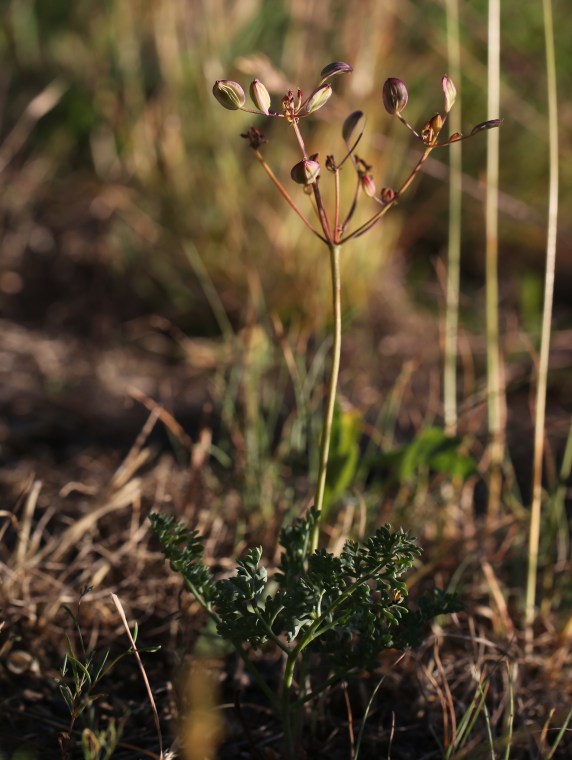


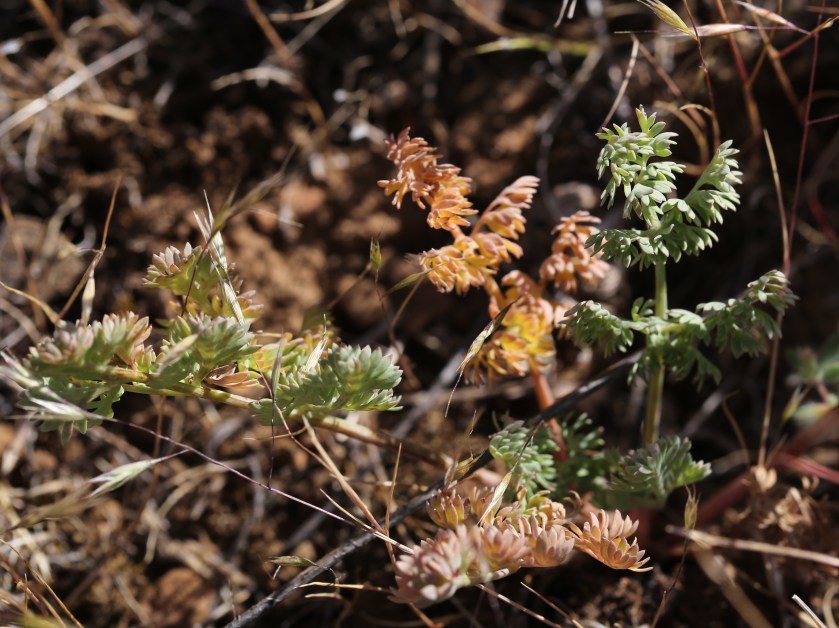
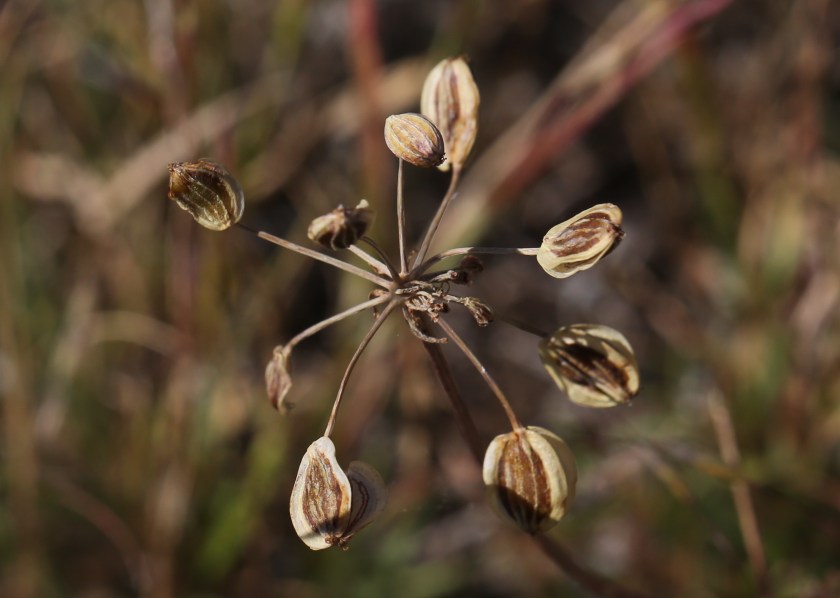
Description. The plants are glaucous and glabrous or minutely scabrous and are from 10 to 45 cm high. The taproot is slender and scabrous. The leaves have 5/10 cm wide blades with ternately or ternate-pinnately dissected, segments which are linear to oblong and from 1 to 15 mm of length. The inflorescence is a compound umbel and the 8-12 rays are from 1 cm to 7 cm long. The spreading peduncles are from 10 to 40 cm in length. The color of the corolla is cream to lemon-yellow. The 5 to 10 bractlets are 2-7 mm long. The glabrous fruits are oblong-elliptic to elliptic and from 8 to 15 mm of length with pedicels from 3 to 6 mm of length and with wings about half the width of the body. The obscure oil tubes are several per rib-interval.




 Gaïan EthnoBotany