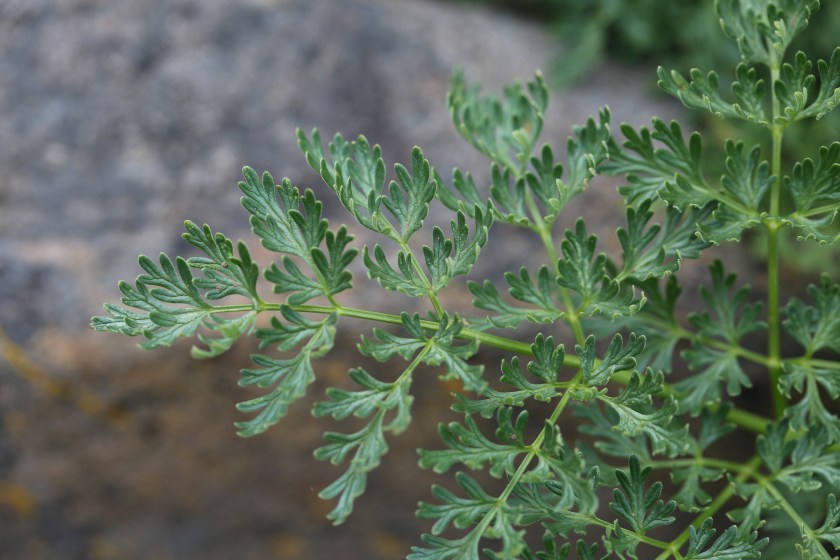
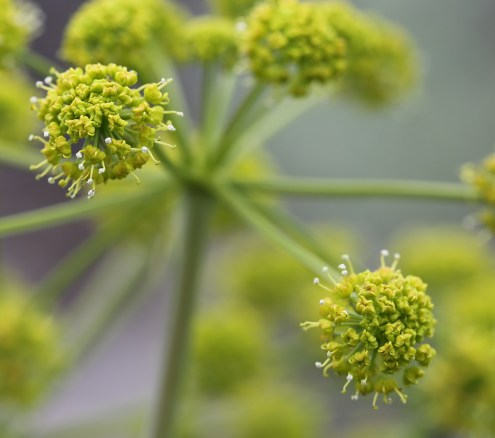
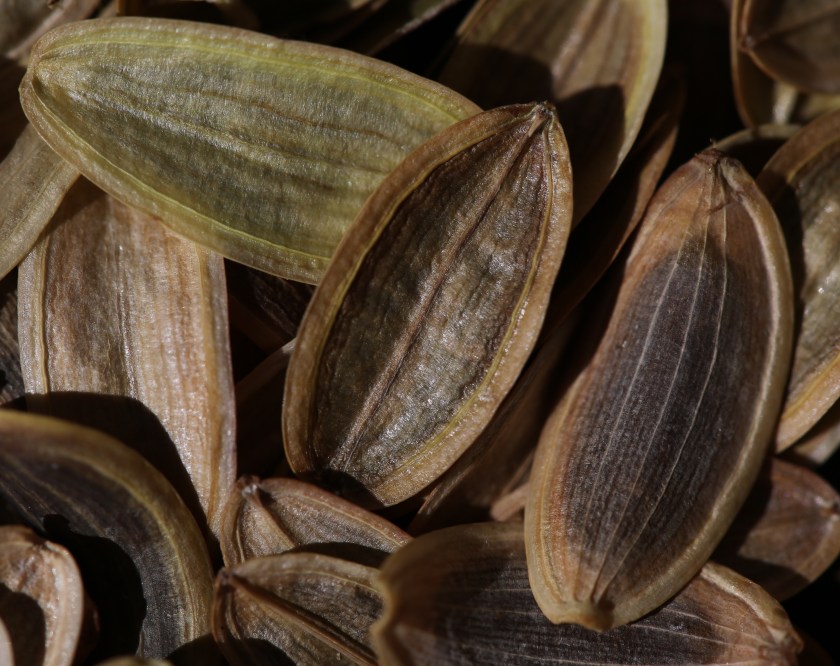
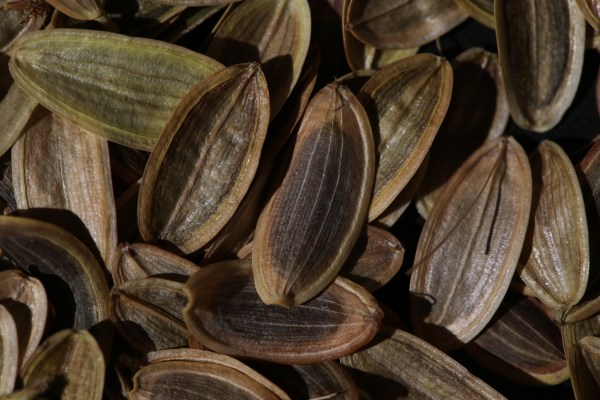
Lomatium californicum

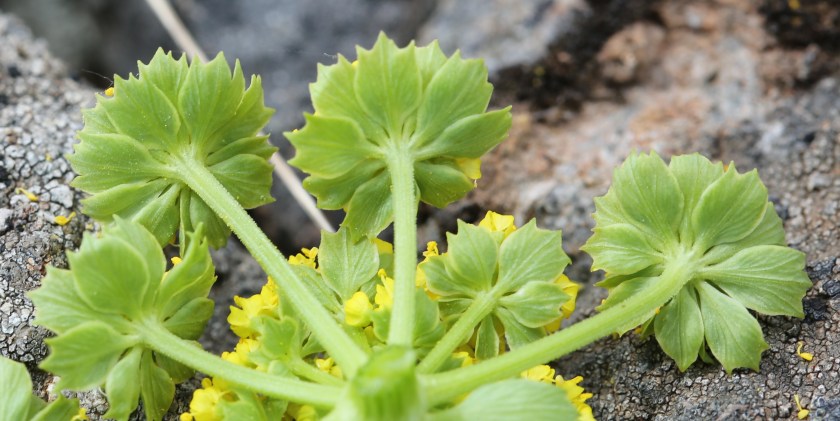
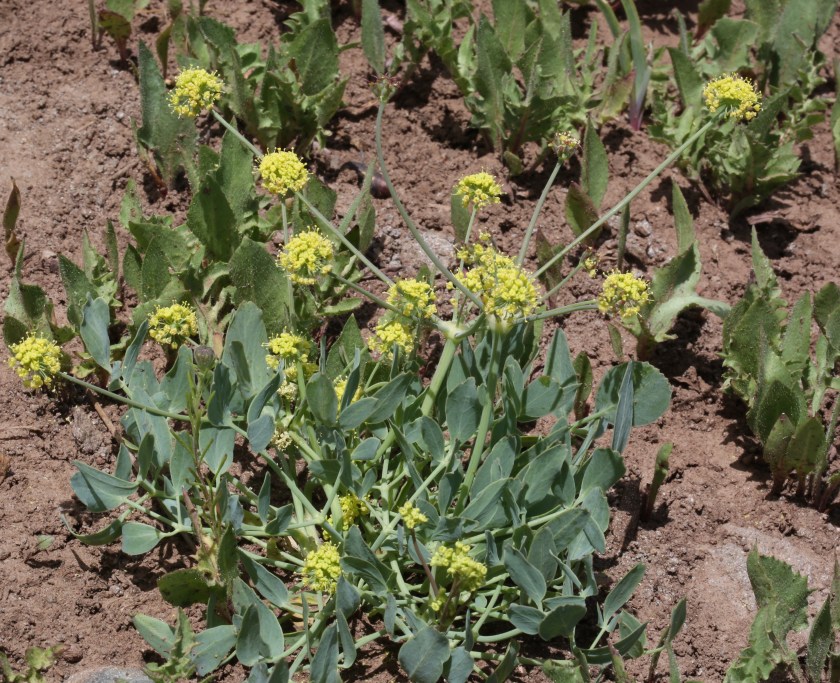
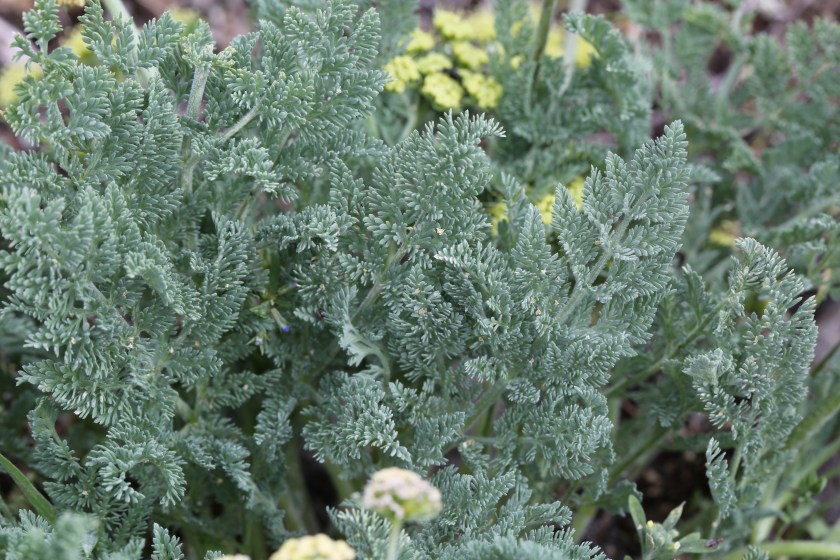
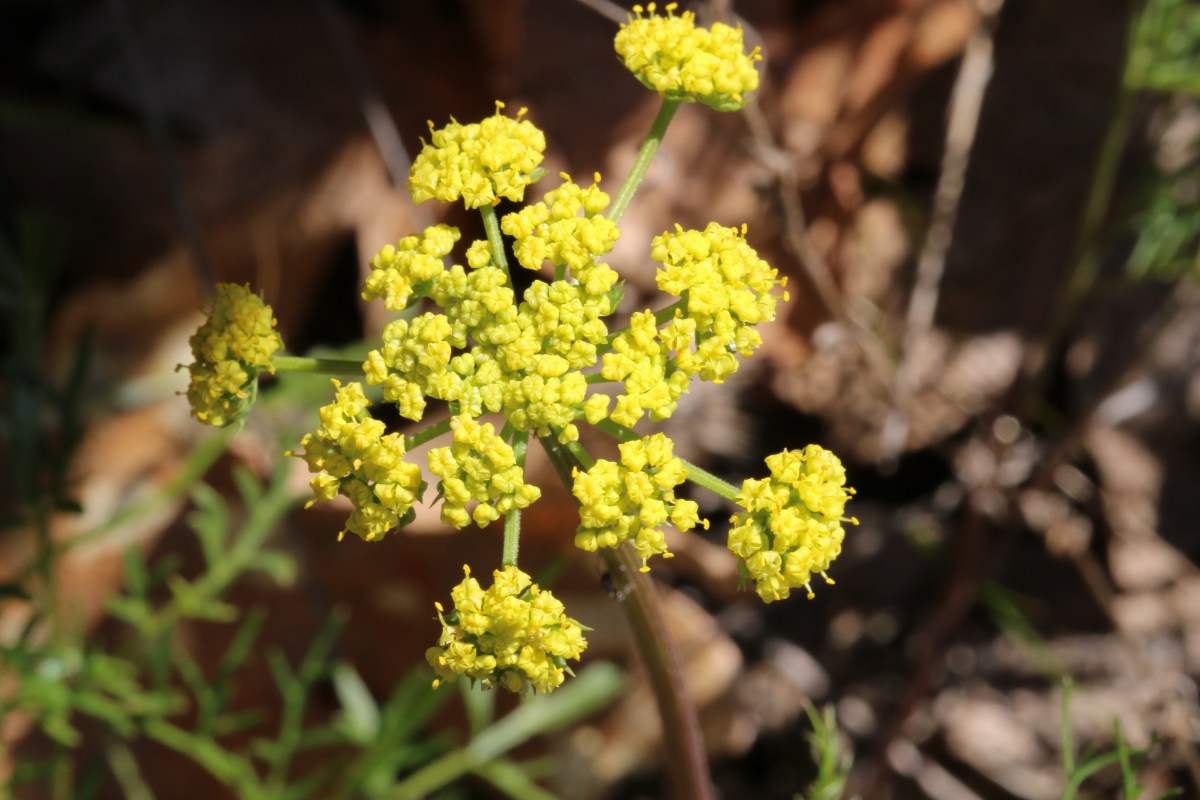
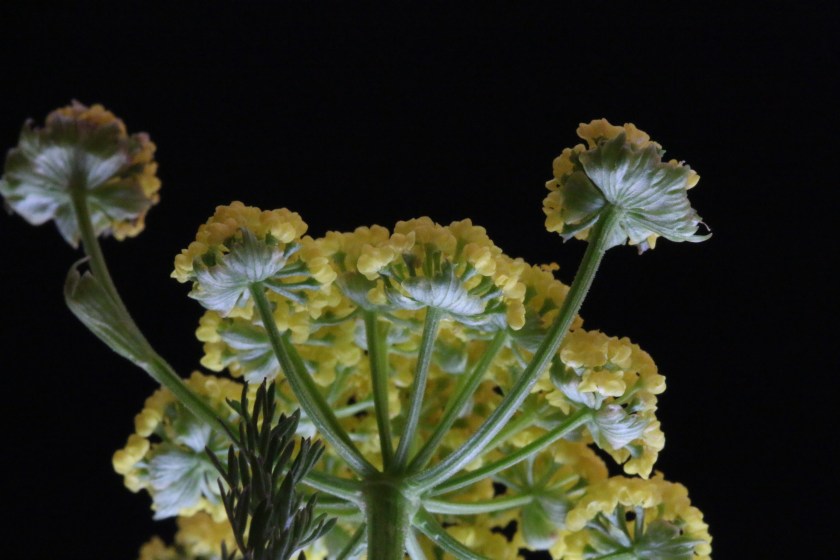
Ethnobotany. Lomatium californicum has been used by the Karok, Kawaiisu, Poliklah, Yuki and Yurok People. Among the Karok, the roots were eaten raw or smoked in the pipe according to “Karok Ethnobotany” (Schenck, Sara M. and E. W. Gifford, 1952) and “The Ethnobotany of the Yurok, Tolowa and Karok Indians of Northwest California,” (Baker, Marc A., 1981). Among the Kawaiisu, the roots were used as an emetic, to treat cold and sore throats and for gastrointestinal pathologies according to “Kawaiisu Ethnobotany” (Zigmond, Maurice L., 1981). They ate also the young leaves in the springtime. According to Merriam C. Hart in “Ethnographic Notes on California Indian Tribes” (1966), it was the most sacred plant with the Poliklah. Among the Yuki, it was used to treat colds and as moxa, to ease arthritic pains. They, too, ate the young shoots. The Yuki, moreover, considered this plant as a magical plant : they rubbed their neck to ward off disease and rattlesnake, they put pieces of roots in the pockets for good luck and they chewed it to distract the deer, during the hunt, from the human smell – according to “Some Plants Used by the Yuki Indians” (Curtin, L. S. M., 1957).

Description.

Lomatium californicum 01

Lomatium californicum 21

Lomatium californicum 20

Lomatium vaginatum

Ethnobotany. Many species of Lomatium have been used as food or as medicine by the First Peoples of North America. 

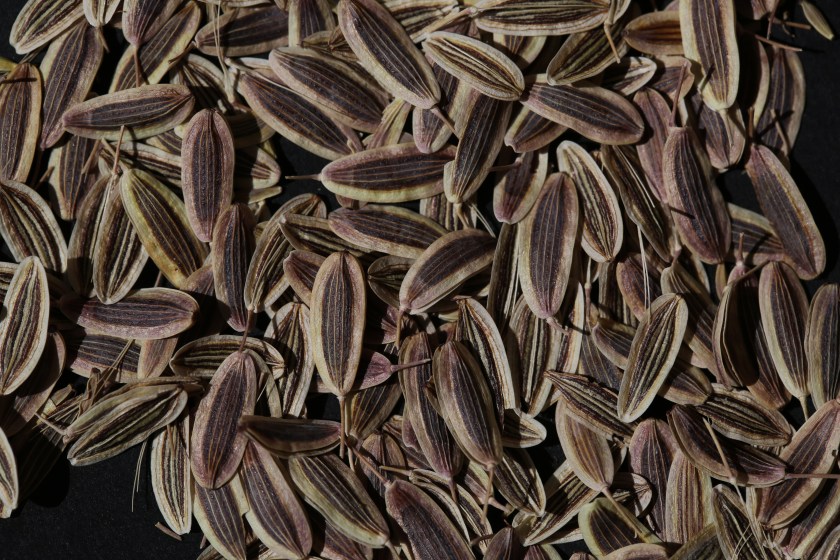
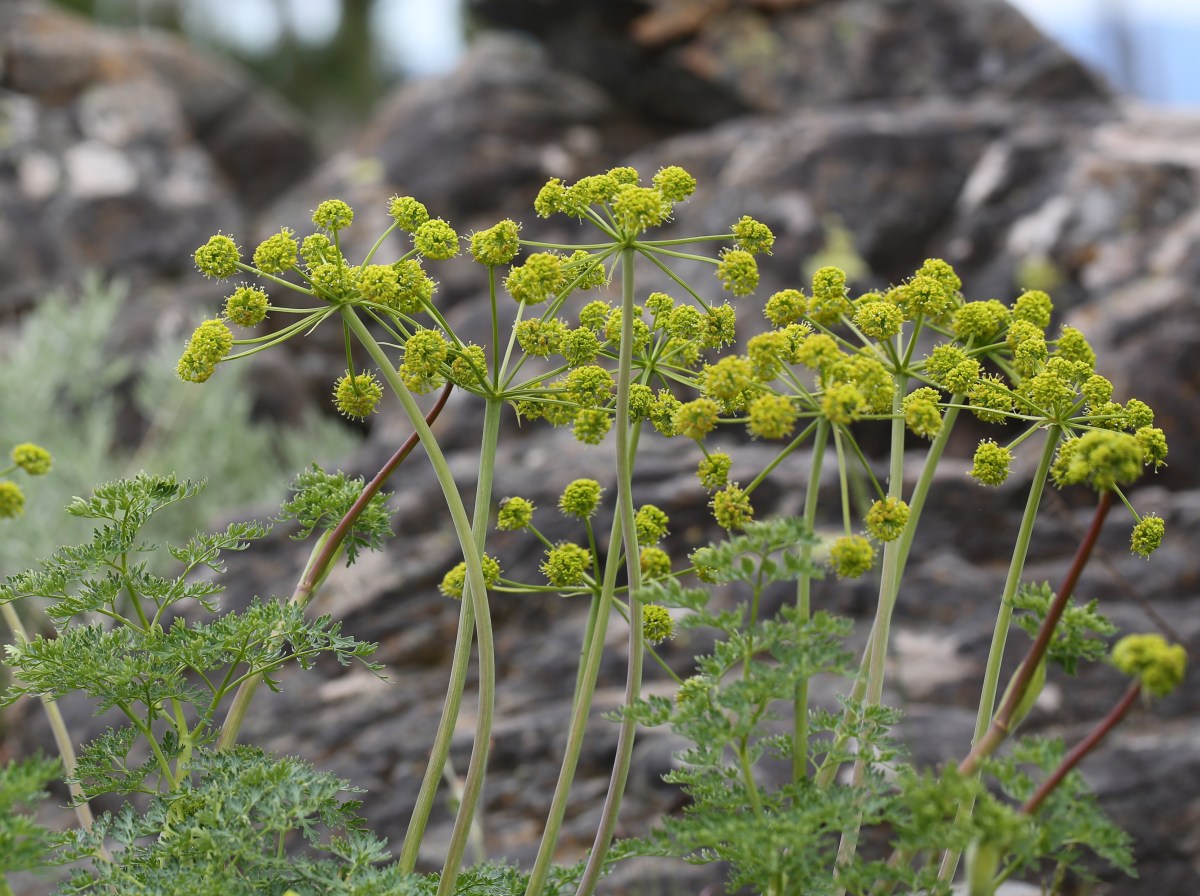
Description by the Jepson. Plant 1–4.5 dm; taproot stout; herbage green, finely scabrous to nearly glabrous. Stem leafy. Leaf: petiole 2–12 cm, widely sheathing basally; blade 5–15 cm, oblong-ovate to triangular-ovate, ternate-pinnately or pinnately dissected, segments crowded, 1–5 mm, oblong, obtuse; cauline leaves like basal, sheaths flared. Inflorescence: peduncle 2.5–25 cm; bractlets 5–10, 3–7 mm, generally lanceolate to oblanceolate, acute, ± scarious; rays 10–15, 2–7 cm, spreading-ascending, unequal, ± webbed; pedicels 5–15 mm, webbed. Flower: corolla yellow; ovary generally roughened. Fruit 8–15 mm, oblong to elliptic, generally roughened; wings generally > body in width; oil tubes per rib-interval 1–4. Chromosomes: 2n=22. Ecology: Sagebrush, grassy slopes, pine woodland. Elevation: 600–1900 m. . Bioregional distribution: Klamath Ranges, North Coast Ranges (serpentine), Modoc Plateau . Distribution outside California: c Oregon, w Nevada

Lomatium utriculatum 06

Lomatium utriculatum 04

Lomatium utriculatum 05

Lomatium utriculatum 07

Dicentra formosa var. formosa

Ethnobotany. The Shakit People used it as an anthelmintic making a worm medicine with a decoction of pounded roots. They also used the fresh roots for abcessed teeth and an infusion of crushed plants as a tonic/wash for the hair. Gunther, Erna, 1973, Ethnobotany of Western Washington, Seattle. University of Washington Press. Recent paleoethnobotanical studies have demonstrated that Dicentra formosa was present on archeological sites of British Columbia in Canada.

Pharmacon. According to Michael Moore in “Medicinal Plants of the Pacific West”. 1995.

  • Herb Tincture [1:5, 50% alcohol, 25-50 drops, all to 3X a day.]
  • Fresh Root Tincture [1:2, 10-20 drops or applied topically.]
  • Dry Root Tincture [1:5, 50% alcohol. 15-30 drops.]

Materia Medica. In 1905, Fred Petersen in “Materia Medica and Clinical Therapeutics” writes: «An alterative of great value where indicated. Increases the vitality and influences metabolism. Especially indicated in all glandular derangements with general depraved condition of the system, where the nutritive forces are impaired. It increases waste and improves nutrition. More especially indicated in above conditions where there is an enlarged abdomen, the result of atony, or where there is a persistently coated tongue and fetid breath. In diarrhea and dysentery, where tongue is coated, breath fetid and digestion poor, it is a good remedy. In amenorrhea and dysmenorrhea and leucorrhea, where there is relaxed condition of the uterine supports, it is a valuable adjunct to other indicated remedies. In eczema and other skin diseases with relaxed conditions, it is curative. It is an antisyphilitic and can be used in all stages of syphilis, strumous conditions, nodular swelling, enlarged glands, with good results ».

William Cook, M.D., wrote in 1869 in “The Physiomedical Dispensatory”: «As long ago as 1828, before Eclecticism had an existence, Prof. C. S. Rafinesque pointed it out in his Medical Flora, and described its stimulant and alterant properties, under its then best known Linnean name of fumaria cucullaria; and my father-in-law, the late Dr. John Masseker, of New York, used it largely from 1835 to 1844 thus beginning its professional employment seven years before Eclecticism got its first life-breath by appropriating to itself the petition of a million names that the old Thomsonians of New York presented to the State Legislature against the odious Allopathic laws … The root (small tubers) varies from a yellowish-white to a dusky color externally, and a lighter yellow internally. It has a faint smell; and a bitterish, pungent, and rather persistent taste. Water extracts its virtues very well; but it contains a resinous substance that is best acted on by alcohol. Properties and Uses: The roots are stimulating and moderately relaxing, acting slowly but persistently, and influencing the secretory organs especially the kidneys and skin. It slowly elevates the circulation, and gives vigorous action to the entire system; and it is probably by this action upon the capillaries that it proves alterant. It does not increase perspiration so as to make it sensible, though evidently aiding in the elimination of both saline and sebaceous excreta; but the amount of urine is perceptibly increased after its use, and the solid elements of this excretion augmented. It stimulates the salivary glands, fauces, and stomach; and gives a feeling of warmth and excitement to the stomach and whole system. Yet these impressions are made rather slowly; and are not so positive as (though much more of the secernent character than) those made by guaiacum. It is suitable for languid and insensitive conditions; and is among the most valuable agents of its class for secondary syphilis, where it is most generally prized; and is an excellent combining agent to give intensity to relaxants in the treatment of scrofula and scrofulous ulcers, white swellings, herpetic eruptions, and chronic rheumatism. Thus used, it is even more valuable in the latter forms of disease than it is in syphilis. It leaves behind a good tonic influence, mainly through its influence upon the capillary circulation: but it is quite an error to pronounce it equally tonic with gentiana and frasera. From its decidedly stimulating character, it should not be used in sensitive and irritable conditions of the system; and is, at any time, best when combined with relaxing alteratives in excess. It is seldom used in any other form than infusion or other pharmaceutical preparation. Half an ounce of the crushed bulb infused for an hour in a pint of hot water, forms a preparation of which one to two fluid ounces may be given three times a day».

In the system of the Eclectic School of Medicine, another Dicentra species, Dicentra canadensis, enters in the composition of the Scudder’s Alterative Compound – an herbal tincture formula which has been used, for a long time, in the treatment of patients with lymphatic and other cancers. This compound is made of equal parts of the following species: Dicentra canadensis; Alnus serrulata; Podophyllum peltatum; Scrophularia nodosa; Rumex crispus.

As a general caution, pregnant or nursing mothers, people with overt neuropathies or with prescription medications or with liver pathologies should avoid to use Dicentra formosa internally. Any part of the plant may also cause skin irritation on contact. This species may also induce a false positive in urine testing for opiates according to Michael Moore.

Recent researches. Dicentra formosa contains – among diverse isoquinoline alkaloids – protopine, bulbocapnine, corydine, isocorydine and dicentrine. Choi and Cui, (Choi and al., 2007; Cui an al., 2006), have demonstrated that several of these alkaloids have shown cytotoxic and chemoprotective abilities.

Aggarwal wrote in 2009: «A large number of physiologically active isoquinoline alkaloids have been isolated from the tubers of many species of Dicentra and are classified according to their structures as aporphines, protoberberines, protopines and cularines alkaloids. Protopine has been found to possess a range of pharmacological properties: anti-acetylcholinesterase, anti-amnesic, phospholipase and thromboxane synthetase inhibitory, weak spasmolytic, weak anti tumor, smooth muscle stimulate, bactericidal and sedative.»

Dicentra formosa 22

Species of Dicentra on other continents.

« Dicentra paucinervia is distributed in North- Eastern states, Arunachal Pradesh, Sikkim, West Bengal, Meghalaya, Nagaland, of India, is a highly potent ethno medicinal herb. The tuberous roots are perennial in nature and tuber is the planting material for the plant. The tubers have been used for years by section of Naga ethnic tribal communities living in eastern Nagaland and adjoining Manipur state in the treatment against various diseases like diabetics, malaria, typhoid and other common fevers, pneumonia, diarrhoea, dysentery, carminatives/ flatulence, stomach disorders, cut/ injury etc. The plant is cultivated on small scale by these communities for their medicinal uses. Yield of the tubers is estimated to be about 4800 Kg/acre/ annum ». Aggarwal 2009.

Description. Dicentra formosa is called “Pacific bleeding-heart”. It is a perennial herbaceous plant with fern-like leaves – three to four times divided. The plant grows, from a brittle rhizome at the base of the plant, to 45 cm tall by 60 cm wide. The flowers are pink, red, or white and heart-shaped and bloom in clusters of 5 to 15 at the top of leafless, fleshy stems above the leaves from mid-spring to autumn, with peak flowering during the spring.

SONY DSC

SONY DSC

SONY DSC

SONY DSC

Lomatium nudicaule

Ethnobotany. Lomatium nudicaule has been used as a food or as medicine by many First Peoples of North America: Atsugewi, Cowichan, Kwakiutl, Nitinath, Okanagon, Paiute, Saanish, Salish, Songish and Thompson. It was primarily the stems and leaves which were eaten in soups and stews but the young shoots (1 to 3 years old) were also considered as a treat – by the Thompson and the Salish for example. As to the medicinal uses of this species, it was primarily the seeds which were chewed or infused for colds, sore throats, headaches, pains, itching, stomach problems, swelling of a woman’s breasts, easy child delivery, constipation, fevers, etc.

Some First Peoples (Songish, Saanich, Nitinath, Cowichan) used this species also for spiritual protection: fumigation of the seeds to ward off the bad spirits and the ghosts and protection during hunting. And let us recall also that, according to Merriam C. Hart in “Ethnographic Notes on California Indian Tribes” (1966), Lomatium californicum was the most sacred plant with the Poliklah People.
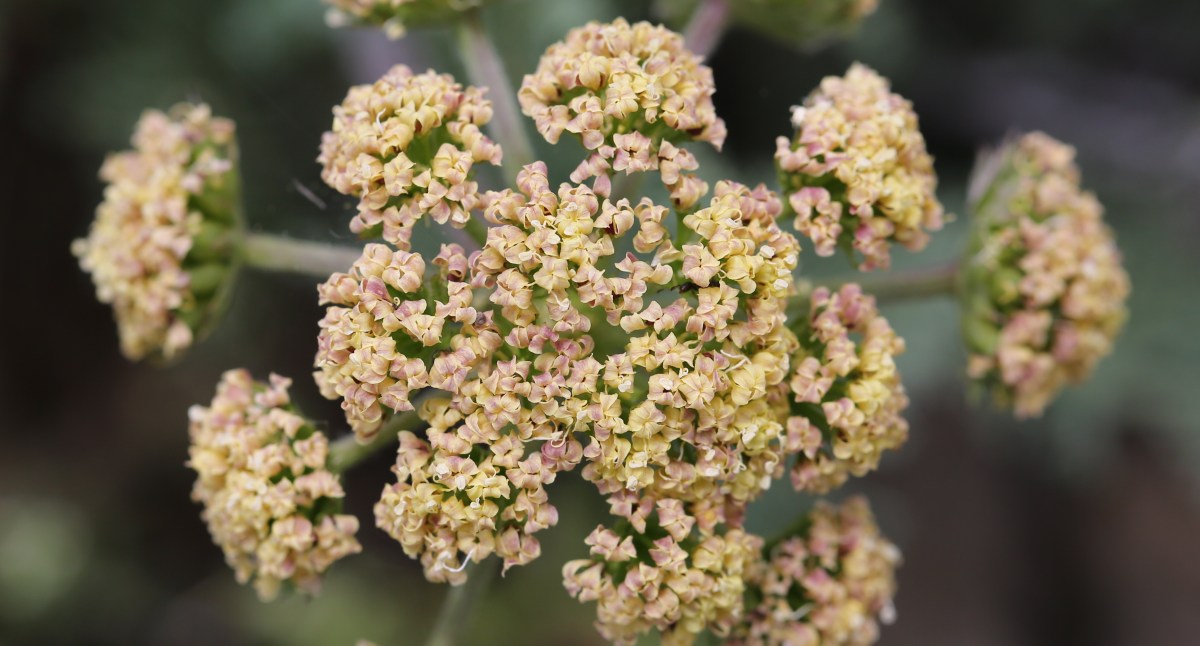
Materia Medica. a

Recent researches. Lomatium nudicaule contains

Description by the Natural Resources Conservation ServiceBarestem biscuitroot is a perennial forb arising from a stout taproot. The plants reach a mature height of 20 to 45 cm (8 to 18 in). The leaves are compound ternate to bi-ternate (dividing into groups of three leaflets). The leaflets are larger than the finely dissected leaflets common to other biscuitroots and very distinctive for the genus. Each leaflet is 2 to 5 cm (0.8 to 2 in) long and ovoid to orbicular in outline with coarse teeth near the tip. The inflorescence is an umbel with 7 to 27, 8 to 10 cm (3 to 4 in) long rays. The petals are yellow. The fruit is 8 to 12 mm (0.3 to 0.5 in) long; 2 to 5 mm (0.08 to 0.2 in) wide with 0.5 mm (0.02 in) wide wings (Welsh et al 2003).

Lomatium nudicaule 52

Lomatium nudicaule 0001

Lomatium nudicaule 56

Lomatium nudicaule 0002

Lomatium nudicaule 54

Lomatium nudicaule 50

Lomatium nudicaule 21

Lomatium nudicaule 20

Lomatium nudicaule 57

Corallorhiza striata

Ethnobotany. Corallorhiza maculata was used by the Iroquois, Paiute, Navajo and Shoshone Peoples (Correll 1950; Moerman 1998). Correl speculated it was used to prepare an infusion to build up blood in relation with its red color. Other Indigenous uses of Corallorhiza maculata are as a diaphoretic, febrifuge and sedative.

Pharmacon. «Description: The dried root, as met in commerce, is composed of small, coral-like pieces, about 2 lines in diameter, and from 3 to 12 lines long, the longest pieces consisting of the small, coral-like branches, round or compressed, crooked, wrinkled lengthwise, more or less distinctly annulated at distances varying from 1 to 2 lines, dark-brown externally, and lighter within. Its fracture is short, presenting under the microscope a shining, pulverulent, or granular appearance, somewhat like the saccharine frost on figs and raisins. The root is inodorous, with a taste sweetish at first, somewhat resembling that of raisin-seed, and succeeded by a faintly bitterish, mucilaginous flavor». In “King’s  American Dispensary”. Harvey Wickes Felter and John Uri Lloyd. 1898.

Harvesting and Preparation of Coral Roots. Very precised informations can be gathered from Ryan Drum’s excellent article – “Three Herbs, Yarrow, Indian Consumption Plant, Coral Root”. 

According to Harwey Wicks Felter. Tinctura Corallorhiza, Tincture of Coral Root. (Coral root, 4 ounce; Dilute Alcohol [or Whisky] 16 fluid ounces.) Dose, 1 to 2 fluid drachms. 

Infusum Corallorhiza, Infusion of Coral Root. (Crushed rhizome, 1/2 ounce; Boiling Water, 16 ounces). Dose, 1 to 2 fluid ounces. 

Materia Medica. According to the “CRC World Dictionary of Medicinal and Poisonous Plants”, this species is diaphoretic, aphrodisiac, sedative, febrifuge and has been used in the treatment of ring worms, tuberculosis, colds, pneumonia and skin diseases.

According to Harwey Wicks Felter: « Specific Indications. General prostration, malaise, hacking cough, loss of appetite, reduced weight, pleuritic pain, bronchial irritation and low pyrexia. Action and TherapyThis is the most perfect diaphoretic we know of, duplicating the natural processes of perspiration when given in small doses and increasing the watery contents when administered in hot infusion. It is pleasant to the taste and acts kindly upon the stomach. It was once used largely in fevers. Its principal use is in subacute inflammatory disorders of the respiratory tract, being especially valuable in the declining stages of bronchopneumonia, of a low but inactive type, with much depression, prostration after cough or effort, copious heavy expectoration, and general debility. For Convalescence from such states and after bronchitis, la grippe (Serious Influenza), and pneumonia, it is an ideal remedy. In those of a phthistical build (asthmatic), much hacking cough, loss of weight, lack of appetite, pleuritic pains, and general prostration-yet not actually consumptive, it is one of the best tonics we have ever employe. For dry bronchial irritation, with wheezing, tightness of the chest, paroxysms of irritable cough, together with dry or inactive skin, Coral Root is extremely effective. In respiratory debility Coralorrhiza acts slowly but surely.» In “The Eclectic Materia Medica, Pharmacology and Therapeutics”. Page 125. 1922.

Description from the Flora of America. Corallorhiza striataStem ± strongly thickened, base not bulbous. Inflorescences: racemes lax to dense, 10–67 × 1.2–4.5 cm. Flowers 2–35, chasmogamous, conspicuous to showy; perianth open and spreading to connivent; sepals and petals salmon reddish purple with darker veins or pure yellow, lanceolate to oblanceolate, 3–5-veined; lip obovate, unlobed, 3.2–16.5 × 2–6.2 mm, thickened, margins deep red with white or yellow at base, or pure yellow, upturned, giving boat-shaped appearance especially toward apex; callus formed by partial connation of 2 basal lamellae, less than 1/3 length of lip; column pure yellow or yellow spotted with red, curved toward lip, 3–6 mm, base without auricles or ridges; ovary 3–8.5 mm; mentum absent. Capsules ellipsoid, 11–30 × 5–10 mm.

Corallorhiza maculata 02

Lomatium macrocarpum

Ethnobotany. Lomatium macrocarpum has been used as a food or as medicine by the following First Peoples: Blackfoot, Crow, Flathead, Okanagan-Colville, Paiute, Pomo, Sanpoil, Shuswap and Thompson.

Recent researches. Lomatium macrocarpum contains coumarins and chromones. «Roots of Lomatium macrocarpum (Hook. and Arn.)C. and R. yielded osthol(7-methoxy-8-(3-methyl-2-butenyl)-coumarin) and a chromone, 2-methyl-5-hydroxy-6(3-methyl-2-butenyl)-7-methoxychromone, identified spectroscopically and by synthesis. The serial parts of the plant also contained this chromone along with sibiricin (5,7-dimethoxy-8-(3-methyl-2,3-epoxybutyl)-coumarin) and a new coumarin named macrocarpin. By spectroscopy and chemical degradation macrocarpin was shown to be 7-methoxy-8-(3-methyl-4-(2-methyl-cis-2-butenoyloxy)-cis-2-butenyl)coumarin. These products were not found in four other Lomatium species examined.» in “Coumarins and Chromones from “Lomatium macrocarpum”. Steck,Warren. 1973.

Description by the Jepson. Plant 1–5 dm; taproot or sometimes tubers slender or basally swollen; herbage gray, generally tomentose to densely short-hairy. Stem very short; base not fibrous. Leaf: petiole 1.5–7 cm; blade 2.5–15 cm, oblong to obovate, pinnately or ternate-pinnately dissected, segments 1–7 mm, linear to oblong, entire; cauline leaves like basal. Inflorescence generally tomentose; peduncle 0.5–3 dm; involucel 1-sided; bractlets several, = to > flowers, linear-lanceolate to ovate, acute, ± fused, reflexing, not scarious; rays 5–25, 1–8.5 cm, spreading-ascending; pedicels 1–14 mm. Flower: corolla white, pale yellow, or purplish; ovary generally hairy. Fruit 9–20 mm, lanceolate or oblong to narrowly elliptic, minutely hairy to nearly glabrous; wings generally < body in width; oil tubes per rib-interval 1–3. Chromosomes: 2n=22. Ecology: Rocky (often serpentine) slopes in chaparral or woodland. Elevation: 150–3000 meters. Bioregional distribution: North Coast, Klamath Ranges, Cascade Range, Sierra Nevada Foothills, Tehachapi Mountain Area, San Francisco Bay Area, South Coast . Distribution outside California: to British Columbia, c Canada, ND, Utah.

Lomatium macrocarpum 0002

Lomatium macrocarpum 0001

Lomatium macrocarpum 01

Lomatium macrocarpum 02

Lomatium macrocarpum 26

Lomatium macrocarpum 25

Lomatium macrocarpum 01
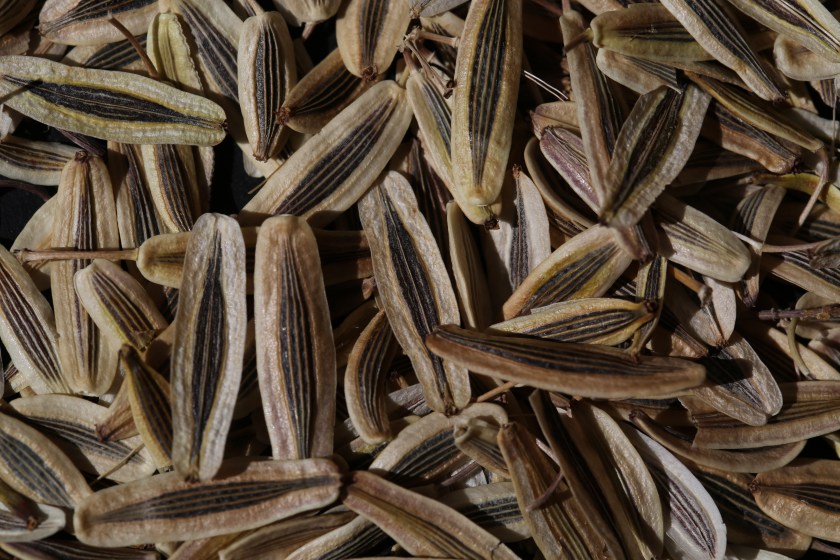
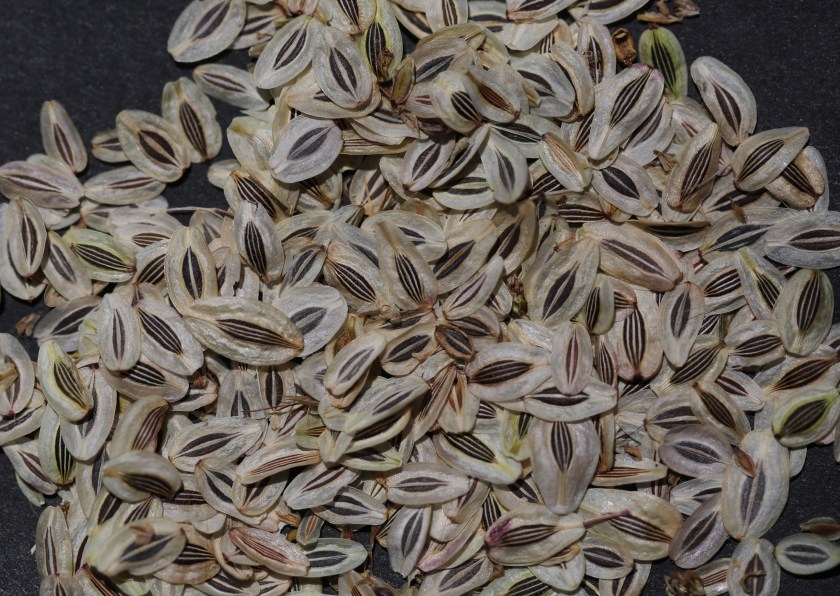
The seeds of Lomatium macrocarpum are 9 to 23 mm long and around 4 to 6 mm wide: they are lanceolate or oblong to narrowly elliptic, minutely hairy to more or less glabrous. There are 1 to 3 oil tubes per rib-interval. The wings are mostly narrower than the body in width.

Lomatium macrocarpum 02

Lomatium macrocarpum 0003

Lomatium utriculatum var. papillatum

Ethnobotany. Lomatium utriculatum has been used as a food by the Atsugewi, Kawaiisu and Mendocino First Peoples. Among the Atsugewi, a decoction of plants was used as a wash for swollen limbs. Among the Kawaiisu, a decoction of plant was used as a wash for broken limbs. Among the Salish, the roots were chewed or soaked in water and taken for headaches and for stomach disorders. As mentioned in “Atsugewi Ethnography, Anthropological Records” (Garth, Thomas R., 1953); “Kawaiisu Ethnobotany” (Zigmond, Maurice L., 1981); “Plants Used by the Indians of Mendocino County, California” (Chestnut, V. K., 1902); “The Ethnobotany of the Coast Salish Indians of Vancouver Island” (Turner, Nancy Chapman and Marcus A. M. Bell, 1971).

Description by the Native Plant Society of California. Lomatium utriculatum is a species of flowering plant in the carrot family known by the common name common lomatium. It is native to western North America from British Columbia to California, where it grows in many types of habitat. It is a hairless to lightly hairy perennial herb growing up to half a meter tall from a slender taproot. The leaves are basal and also grow from the middle and upper sections of the stem. Each is generally divided and subdivided into many small linear lobes. Leaves higher on the stem have prominent sheaths. The flower cluster is a webbed umbel of yellow flowers with rays up to 12 centimeters long.

Lomatium utriculatum var. papillatum : this variety has small plants (30/35 cm high)  and fruits roughening with bud-like one to several-celled papillae.

The pictures below are from a small population in the woods, one mile before the Ranger’s Station, along Upper Applegate Road close to the Californian border where the type was described by the botanist Henderson in  1931.

Lomatium utriculatum 55

Lomatium utriculatum 56

Lomatium utriculatum 51

Lomatium utriculatum 52

Lomatium utriculatum 53

Lomatium utriculatum 000
The seeds of Lomatium utriculatum are 5 to 11 mm long and 3 to 6 mm wide; they are glabrous at maturity. The dorsal ribs are slightly raised. There are 1 to 4 oil tubes per rib-interval. In that type, growing in the Applegate valley in southern Oregon, the wings are mostly wider than the body in width.

Castilleja pruinosa

Ethnobotany. Many species of Castilleja have been used by the First People in North-America for dermatological, gynecological, gastrointestinal pathologies, etc. 

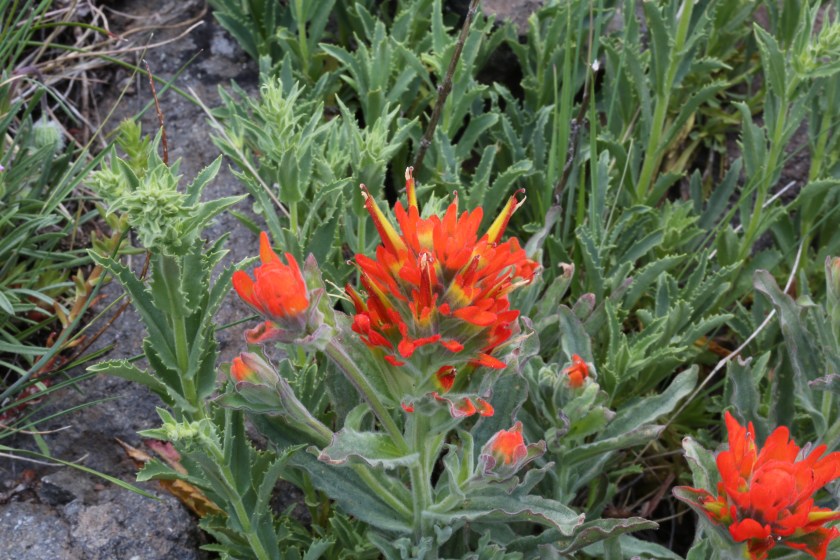
Description by the Native Plant Society of California. Castilleja pruinosa is a species of Indian paintbrush known by the common name frosted Indian paintbrush. It is native to California and Oregon, where it grows in several types of forested habitat. Castilleja pruinosa is a perennial herb, sometimes becoming bushy, growing up to about 80 centimeters in maximum height. It is densely hairy, becoming gray-green in color. The leaves are lance-shaped and sometimes lobed, measuring up to 8 centimeters long. The inflorescence is a cluster of bright red or orange-red bracts. Flowers emerge between the bracts, each up to 2 or 3 centimeters long and greenish in color with reddish margins. San Gabriel Mountains. The rare species Castilleja gleasonii, which is endemic to the San Gabriel Mountains of California, is sometimes included in Castilleja pruinosa.
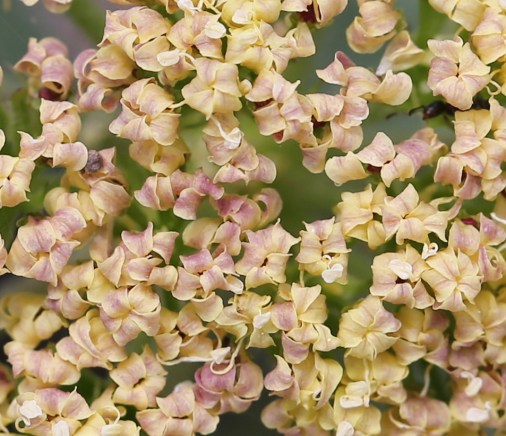
Castilleja pruinosa 01

Camassia quamash

Ethnobotany. It was a food for the Blackfoot, Flathead, Cowichan, Hesquiat, Hoh, Karok, Klamath, Kootenai, Kwakiutl, Makah, Montana, Nez Percés, Nisqually, Nitinaht, Okanagan-Colville and Paiute First Peoples. Only the Blackfoot used it for medicinal purpioses: a decoction of roots was taken to induce labor and an infusion of grass was taken for vaginal bleeding after birth and to help expel the afterbirth according to “Ethnobotany of the Blackfoot Indians, Ottawa” (Hellson, John C., 1974).

«Large volumes of camas bulbs were baked in stone-lined pits that may still be found near traditional camas-gathering areas. David Douglas, a famous early botanical explorer in the Pacific Northwest, reported on this roasting process. First, a large fire was built in the pit, heating the stones thoroughly. Then the fire was removed, and up to a hundred pounds (45 kilograms) or more of bulbs were piled in its place. Sometimes other plants, including red alder (Alnus rubra) or madrone (Arbutus menziesii) bark, were added to give the cooked product a reddish colour, and black lichens (Bryoria spp.) could be added to raise its value for trade. The bulbs were then covered and a fire was built again on top. Baking may have extended for up to two days. Cooked and dried bulbs were second in importance only to smoked salmon as a trade item». In “Camassia quamash. Blue Camas”. Joe Arnett. 

Luther Burbank, the great genius of vegetable breeding, wrote a small book titled “The camassia: will it supplant the potatoe?”.

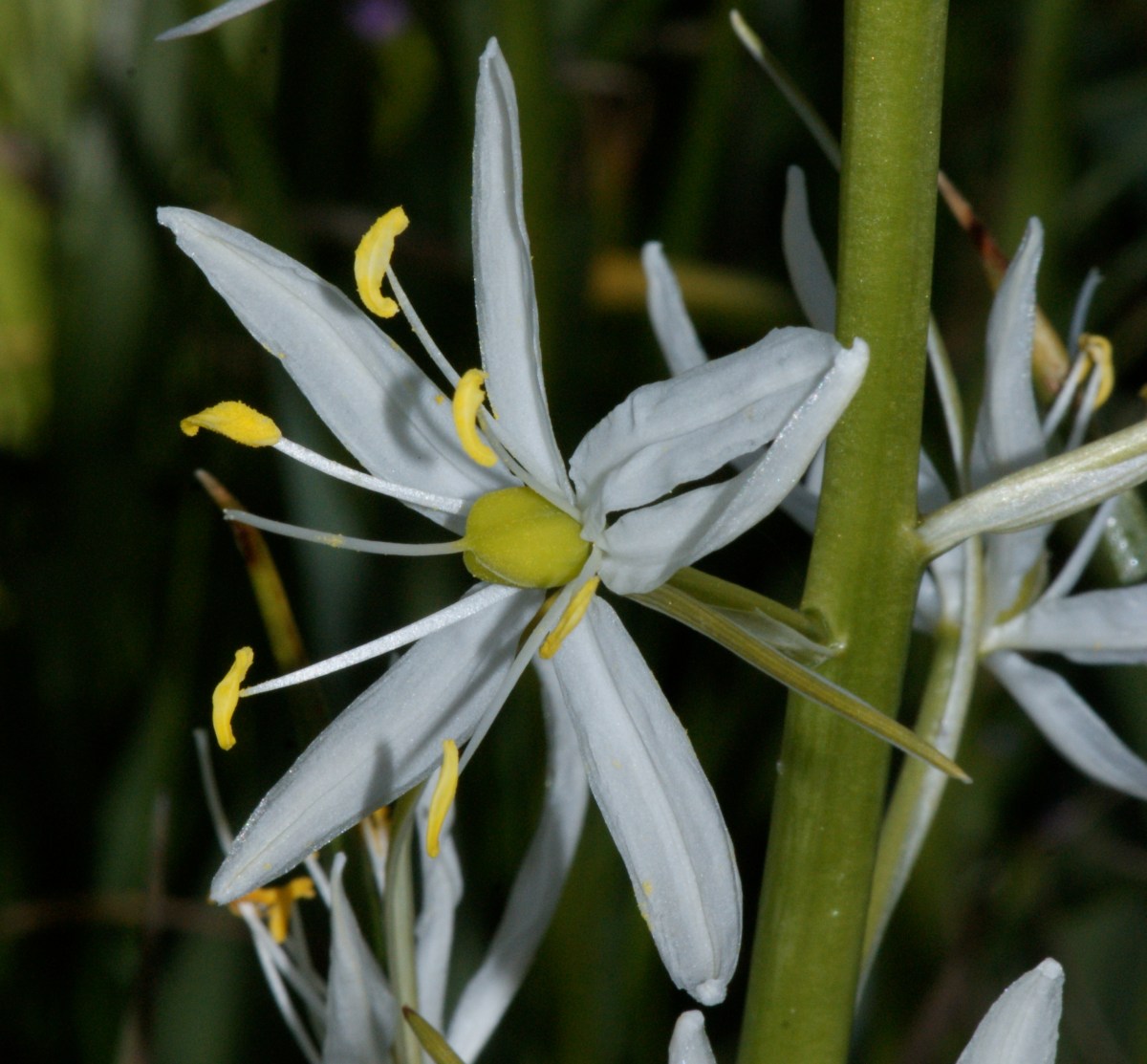
Description by the Flora of North America. Bulbs seldom clustered, globose, 1–5 cm diam. Leaves usually fewer than 10, 1–6 dm × 4–20 mm. Inflorescences 20–80 cm; sterile bracts absent, bracts subtending flowers usually equaling or exceeding pedicel. Flowers usually zygomorphic, sometimes actinomorphic; tepals withering separately or connivent over capsules after anthesis, long-persistent on fruiting racemes, blue or bluish violet, each 3–9-veined, 12–35 × 1.5–8 mm; anthers usually yellow, sometimes bluish violet, violet, or brown, 2.5–7 mm; fruiting pedicel mostly incurving-erect, occasionally spreading-erect, 5–70 mm. Capsules not deciduous, pale green to pale brown, ovoid, 6–19 mm. Seeds 5–10 per locule. 2n = 30.

SONY DSC
Camassia quamash
SONY DSC
Camassia quamash
SONY DSC
Camassia quamash
SONY DSC
Camassia quamash
SONY DSC
Camassia quamash